


Welcome to the wonderful world of wigs! If this is your first time considering a wig, you might feel overwhelmed by all the options and information. This guide will walk you through everything you need to know to make your first wig purchase with confidence. Common Concerns & Misconceptions “People will know I’m wearing a wig” Modern wigs, especially from quality stockist like Roche Hair Experience, are virtually undetectable when properly fitted and styled. Today’s lace fronts, hand-tied caps, and realistic hairlines create a natural appearance that blends seamlessly with your skin. “Wigs are uncomfortable and hot” While older wigs could be heavy and uncomfortable, today’s wigs feature breathable cap constructions, lightweight materials, and comfort features that make them comfortable for all-day wear in any season. “I won’t be able to style it like my own hair” Depending on the type of wig you choose (human hair or heat-friendly synthetic), you’ll have many styling options. Human hair wigs can be treated almost exactly like your natural hair. “Wigs require too much maintenance” While some maintenance is required, it’s often less time than styling your natural hair daily. Many synthetic options are “shake and go” with minimal styling needed. Your 5-Step Process to Finding Your Perfect First Wig Step 1: Determine Your Needs Ask yourself: Why do you want a wig? (Fashion, hair loss, convenience) How often will you wear it? (Daily, occasionally, special events) What’s your budget? Do you need to style it different ways? What kind of activities will you do while wearing it? Step 2: Take Proper Measurements Getting the right size is crucial for comfort and a natural look. How to Measure: Use a soft measuring tape Measure around your hairline, from the front hairline, behind the ear, to the nape of your neck, and back up to the starting point Step 3: Choose Your Cap Construction Cap construction affects comfort, appearance, and how natural the wig looks. Basic Options: Basic Cap: Most affordable, pre-styled, less ventilation Lace Front: Natural-looking hairline, allows off-the-face styling Monofilament Top: Creates the appearance of hair growing from your scalp Hand-Tied: Most natural movement, lightweight, most comfortable 100% Hand-Tied: Premium option with maximum comfort and versatility Step 4: Select Hair Type Your choice between synthetic and human hair will impact styling, maintenance, and price: Synthetic Fibre Hair: Pre-styled, holds style even in humidity Lower maintenance More affordable 4-8 month lifespan Limited or no heat styling Human Hair: Most natural look and feel Can be coloured and styled just like your own hair Longer lifespan (1-3 years with proper care) Higher maintenance More expensive Step 5: Choose Colour & Style When selecting your first wig, we recommend: Stay within 2-3 shades of your natural colour for a seamless transition Choose a style similar to how you typically wear your hair Consider face shape when selecting length and layers Start with a more natural density unless you specifically want a fuller look What to Expect: Your First Week in a Wig Day 1: Your wig may feel foreign at first. Take some time at home to adjust it and get comfortable before wearing it out. Days 2-3: You’ll get better at putting it on and adjusting it. Carry bobby pins for quick adjustments. Days 4-7: You’ll develop confidence and start to forget you’re even wearing a wig. Many first-timers report feeling surprised at how quickly they adapt. Common First Week Sensations: Slight itchiness (decreases with wear) Awareness of the cap edge Concern about wind or movement (modern wigs stay secure) Heightened awareness of people looking at your hair (they’re probably just admiring it!) Beginner Care Instructions Daily: Store on a wig stand when not wearing Gently brush or comb (use a wig brush or wide-tooth comb) Keep away from excess heat (cooking, opening ovens) Weekly: Synthetic: Rinse with cool water and wig shampoo when needed Human Hair: Wash every 7-12 wears or when styling products build up Never: Use regular shampoo on synthetic wigs Brush when wet (especially human hair) Use hot tools on regular synthetic wigs Sleep, shower, or swim in your wig (unless it’s specifically designed for it)

One of the best things about human hair wigs is that they can be styled in many different ways. You can curl them, straighten them, and even dye them. Unlike synthetic hair, dyeing natural hair can absorb regular hair dye, making the process simpler and more versatile. This means that you can change your look as often as you like without damaging your hair. However, it’s important to note that not all wigs are created equal. Fortunately, there are a few simple tricks that you can use to transform a brassy wig into a stunning hair piece. In this blog post, I’m going to share with you two of my favourite methods for banishing brassiness and giving your wig a beautiful, natural-looking colour.
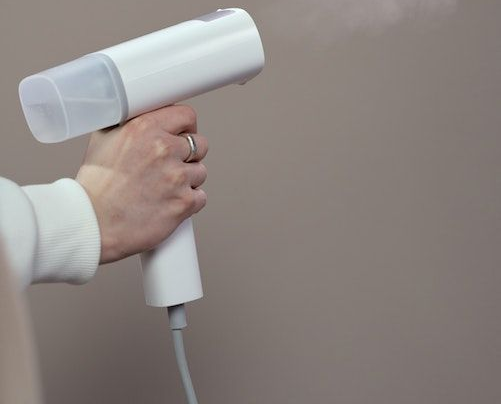
Quick Tips: – Always use distilled or demineralised water in your steamer to prevent build-up. – Ensure the wig is completely dry before storing or wearing. – Regularly clean your steamer to ensure its longevity and effectiveness. Steaming is a simple yet effective way to breathe life back into your wig, ensuring it looks fabulous and feels great wear after wear. So, the next time your wig seems a little lacklustre, give it a steamy treat! Wigs, whether synthetic or natural, are a fantastic way to change up your look, protect your natural hair, or provide a solution for hair loss. But like all good things, they require care to remain at their best. One of the most effective methods to rejuvenate a wig, especially a synthetic wig, is steaming. Here’s a brief guide on why and how to steam your wig. This method is particularly beneficial for synthetic wigs, which can be more challenging to style and maintain. Why Steam Your Wig? 1. Eliminate Tangles: Over time, wigs can develop knots and tangles. Steaming can help with fiber relaxation, making it easier to brush and style. 2. Restore Shine: Daily wear and exposure can diminish your wig’s shine. Steaming reintroduces moisture, aiding in moisture retention and reviving its natural sheen. 3. Maintain Shape: Wigs, especially curly or wavy ones, can lose their shape. A quick steam can help redefine those gorgeous curls and waves, whether you want to keep a curly wig curly or make a curly wig straight. Steaming can also make a straight wig curly, providing versatility in styling options.

Living with hair loss can be challenging, both physically and emotionally. Hair loss, a condition characterised by losing hair from the scalp or body, affects many people regardless of age or gender. This blog will explore how natural hair wigs can significantly help those suffering from hair loss, offering stunning styles to help you regain your confidence and feel like yourself again.

When you’re looking to buy a wig, the sheer variety of options can be overwhelming. Whether you’re considering a wig for fashion, convenience, or medical reasons, understanding the different types available will help you make an informed choice. In this blog, we’ll explore the various types of wigs, including lace fronts, full wigs, hair toppers, and more. Our goal is to provide a comprehensive guide so you can confidently choose the perfect wig for your needs.
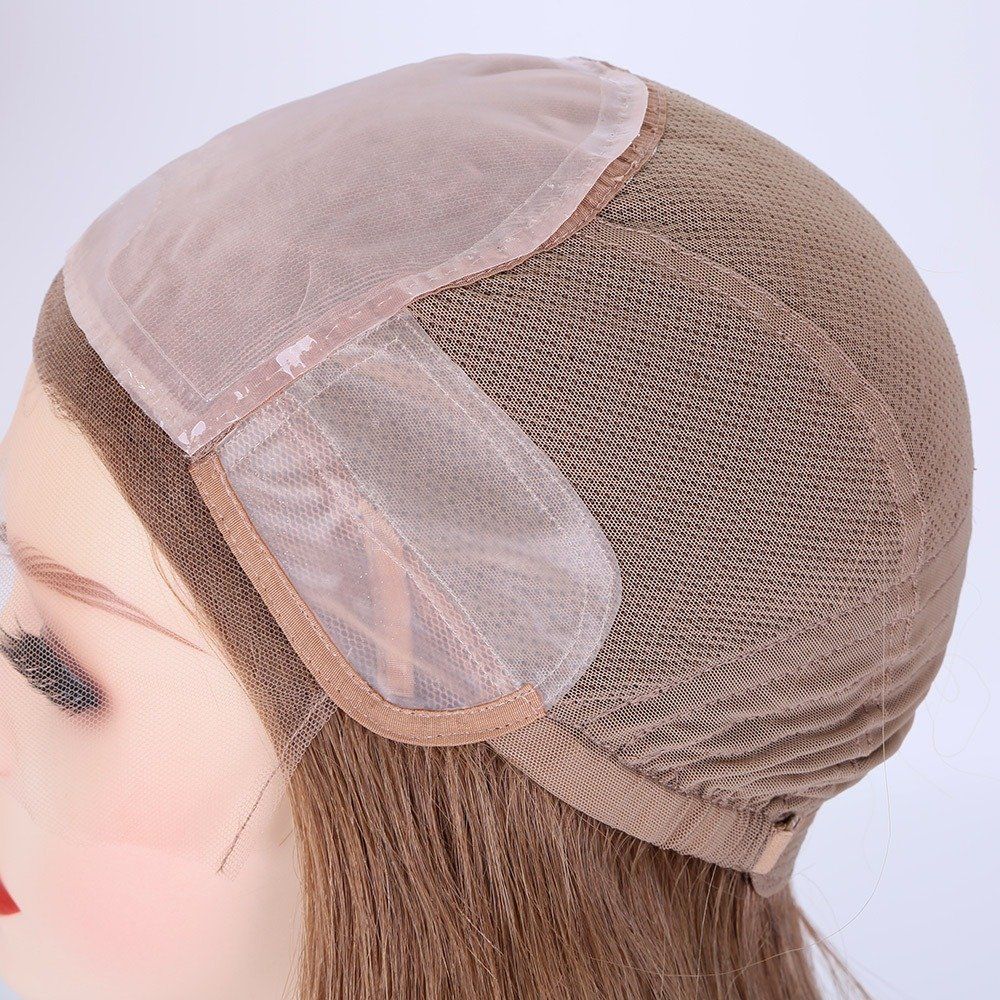
Welcome to the definitive guide on glueless wigs, an innovative trend reshaping the hair fashion landscape. Glueless wigs have surged in popularity, offering a seamless blend of style, comfort, and hair protection. This comprehensive exploration is designed to highlight why glueless wigs are becoming the go-to choice for individuals seeking a versatile, commitment-free way to experiment with their look. Discover the unmatched benefits, how to select the perfect wig for you, and maintenance tips to keep your wig looking pristine.
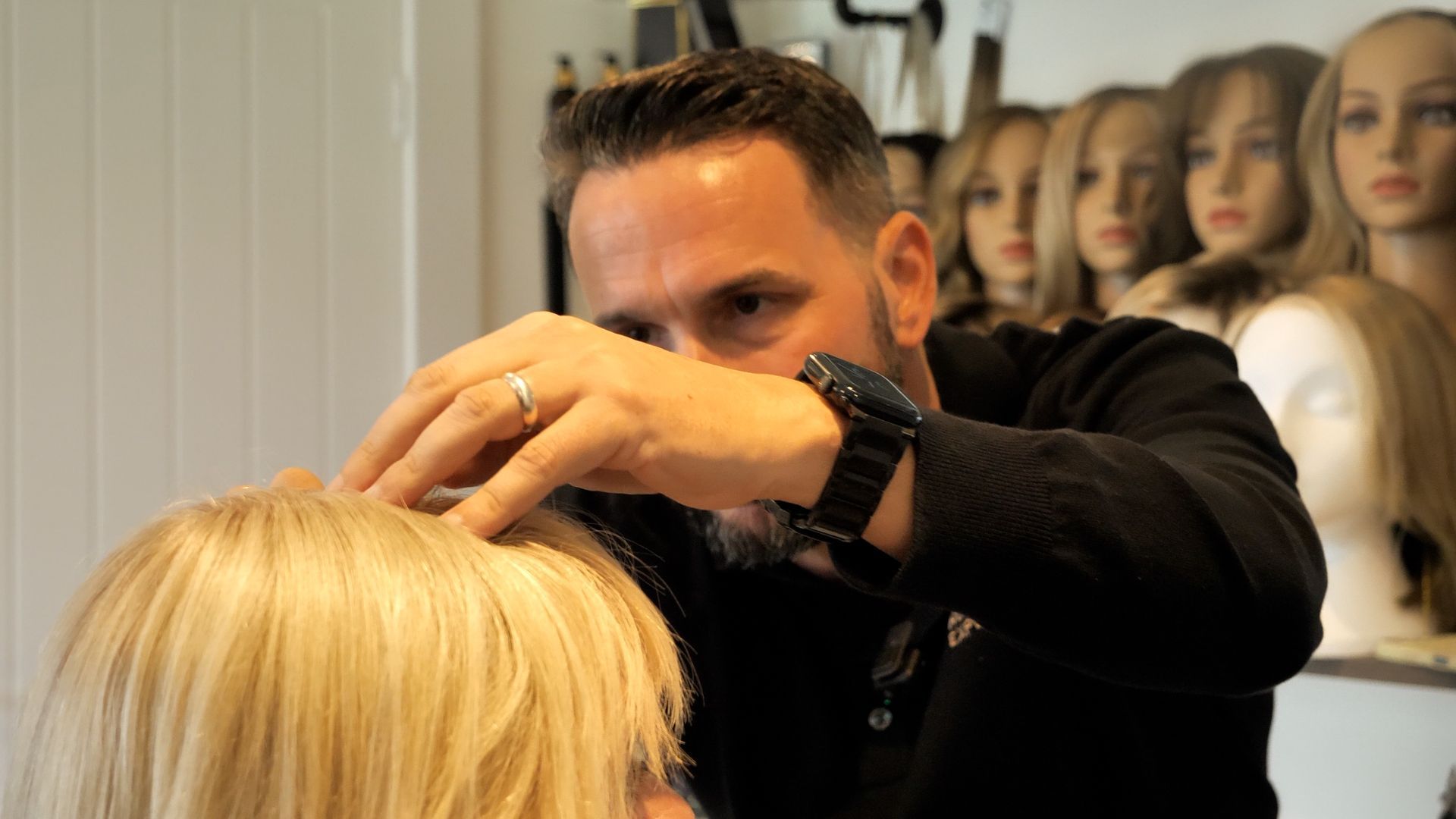
Discovering you’re experiencing hair loss in your late twenties can feel like an unexpected detour on your life’s journey. It’s a path that might seem solitary at first, but it’s more common than you think. If you’ve tried solutions like mesh integration systems only to find they exacerbate the issue, the exploration for alternatives can be daunting. You’re not alone. Wigs might be the next avenue you’re considering, a choice that brings its own set of questions and possibilities. Let’s navigate this together, focusing on finding the best wig options for natural-looking hair and how to integrate them seamlessly into your life.

In today’s video, we’re diving into the delicate process of washing a long human hair wig. Proper care is key to maintaining the natural beauty and longevity of your wig, and we’ve got all the tips and tricks you need! We’ll walk you through each step, from selecting the right shampoo and conditioner to drying and styling techniques that prevent damage. Whether you’re a seasoned wig wearer or new to the world of wigs, you’ll find valuable insights to keep your wig looking as good as new. Stay tuned as we explore these best practices and answer some of your most common questions along the way.

Welcome to our step-by-step tutorial on how to keep your synthetic wig looking fresh and fabulous! 🌟 Are you curious about maintaining the luster and life of your synthetic wig? You’ve clicked on the right video! In this comprehensive guide, we’ll walk you through the essential care steps: washing and steaming your synthetic wig to perfection. 🧼 Washing Your Synthetic Wig: Let’s dive right into the proper way to wash your synthetic wig, ensuring it stays clean without compromising its integrity. We’ll cover everything from the type of products to use to the best drying methods. 💨 Steaming Your Synthetic Wig: Next, we’ll show you how to safely steam your wig. Steaming is a fantastic method to smooth out tangles, restore shape, and give your synthetic wig a ‘just-bought’ look.

For wig wearers, whether it’s for fashion, health reasons, or personal preference, one common concern is wig slippage. This awkward situation can lead to discomfort and a lack of confidence. Fortunately, with the right knowledge and tools at your disposal, you can prevent the dreaded wig slip and wear your wig with poise. Read on for insights and solutions!